

Flat Roof vs. Pitched Roof: Which Is Better?
May 29, 2026Roof design plays a major role in the appearance, performance, and maintenance needs of a home. When homeowners compare flat roofs vs. pitched roofs, they are often trying to balance style preferences, weather protection, long-term maintenance, and overall costs.
Both roof styles offer distinct advantages and potential drawbacks. The right choice depends on factors like climate, home design, drainage needs, energy efficiency goals, and future maintenance expectations. Understanding how these roofing systems differ can help homeowners make a more informed decision for their property.
Understanding Flat Roof and Pitched Roof Designs
The primary difference between these roofing systems comes down to slope.
What Is a Flat Roof?
Despite the name, flat roofs are not completely level. They are designed with a slight slope that allows water to drain properly.
Flat roofs are commonly associated with modern architectural styles and are often used on:
- Contemporary homes
- Additions
- Garages
- Commercial buildings
- Outdoor living structures
Their clean lines create a sleek and minimalist appearance.
What Is a Pitched Roof?
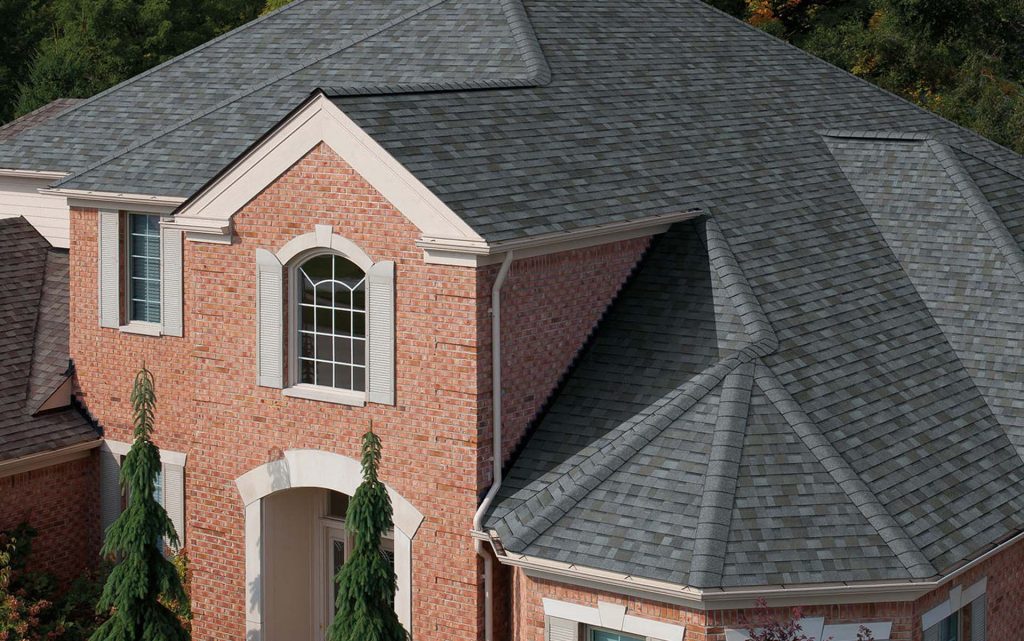
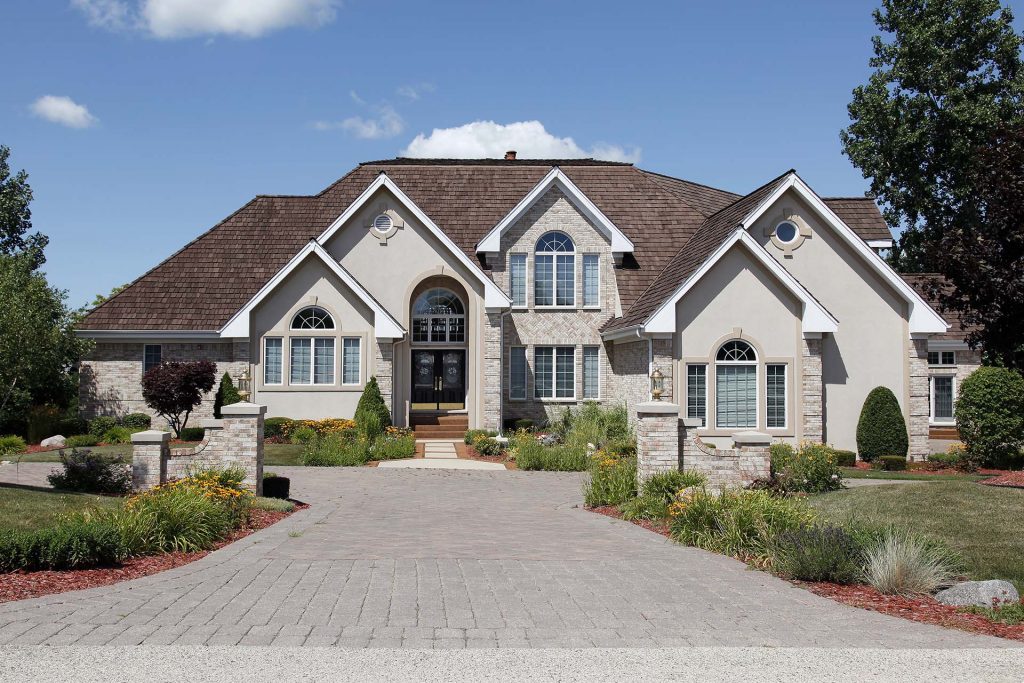
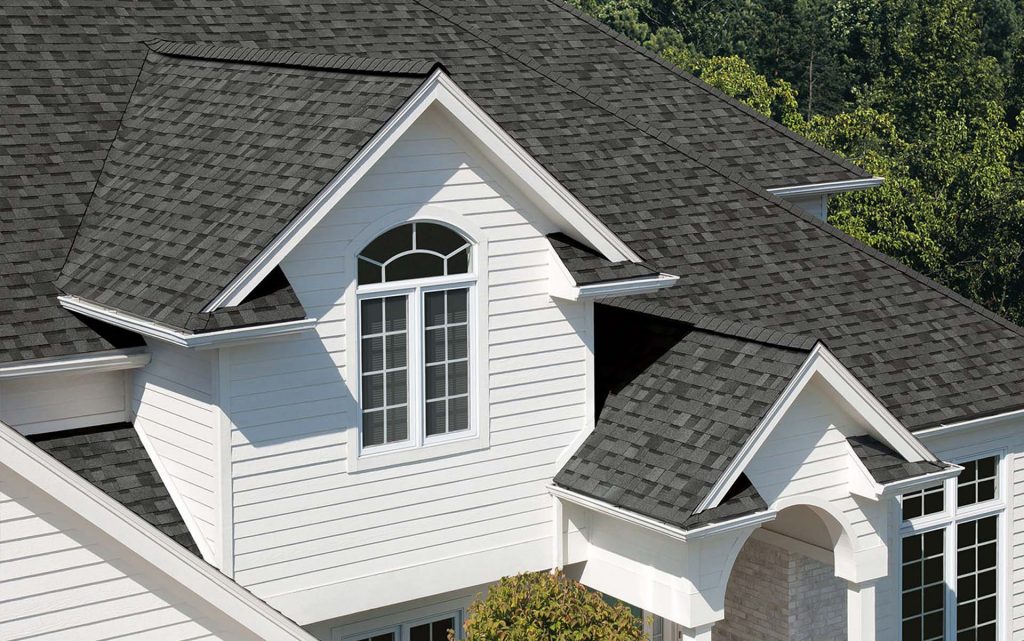
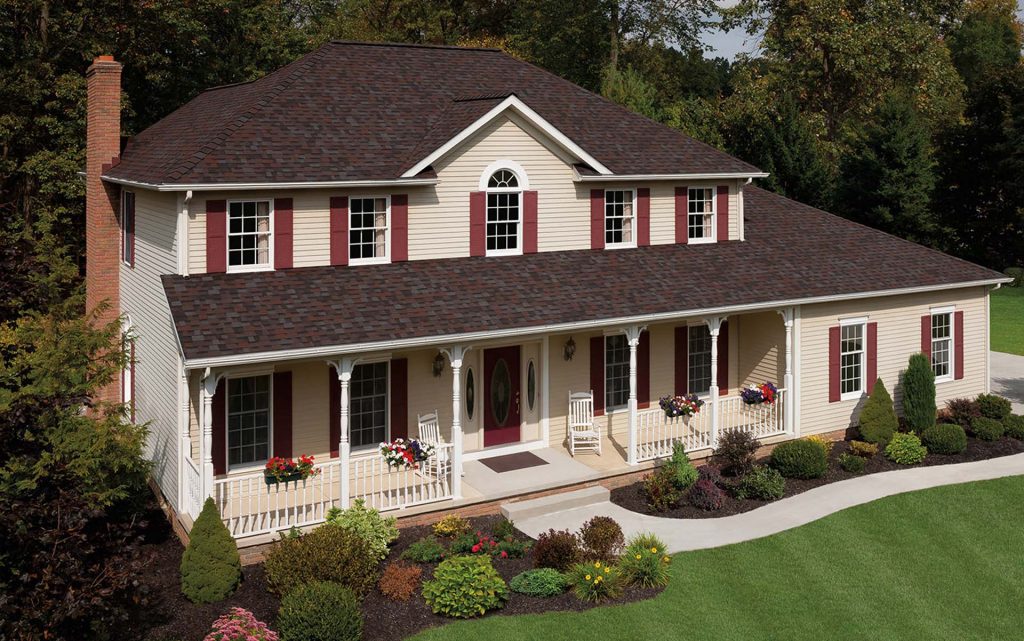
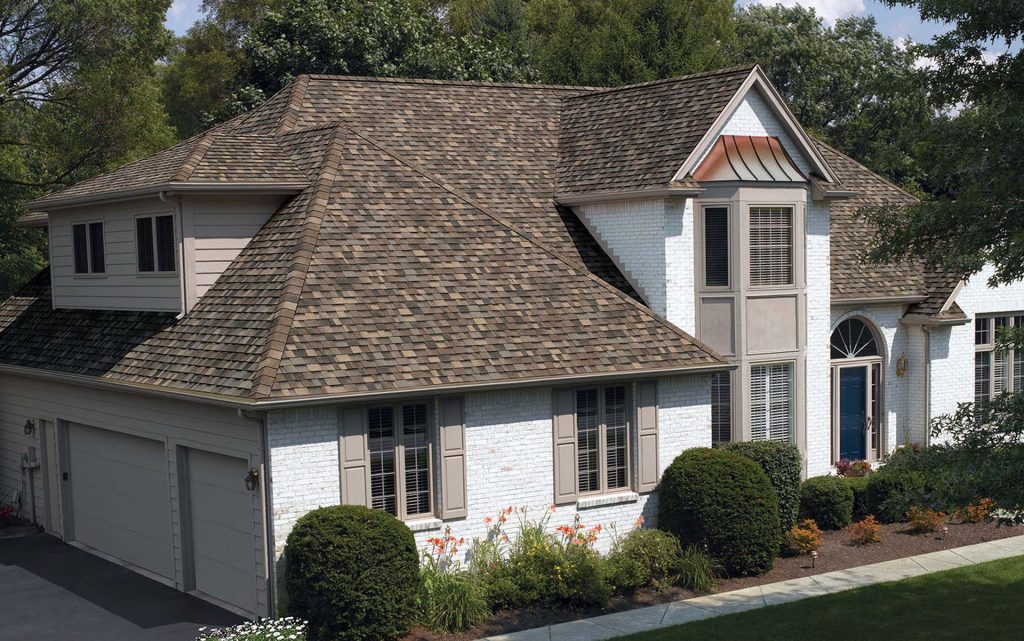
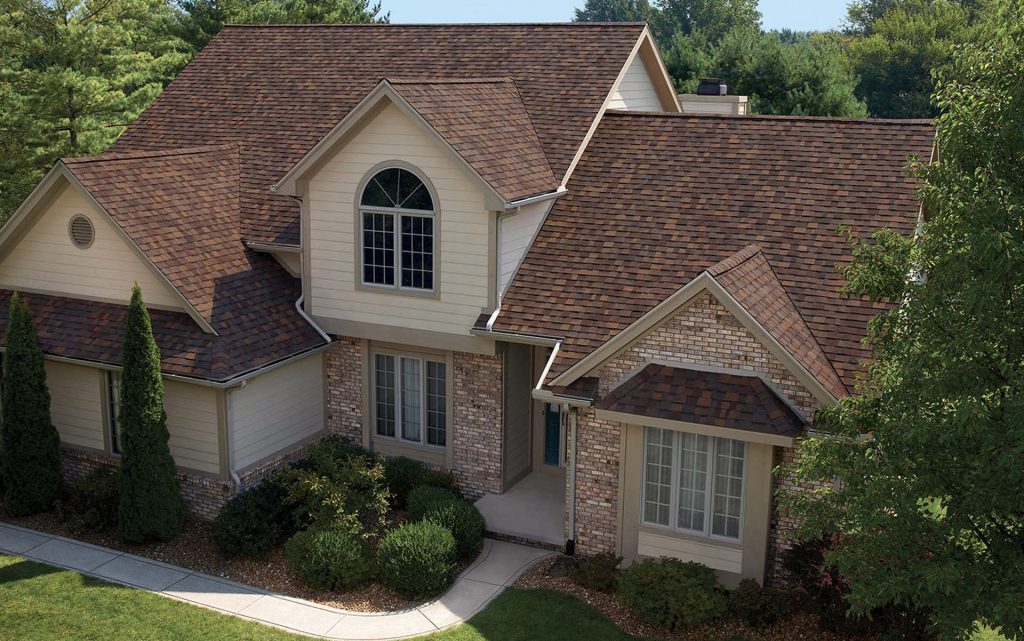
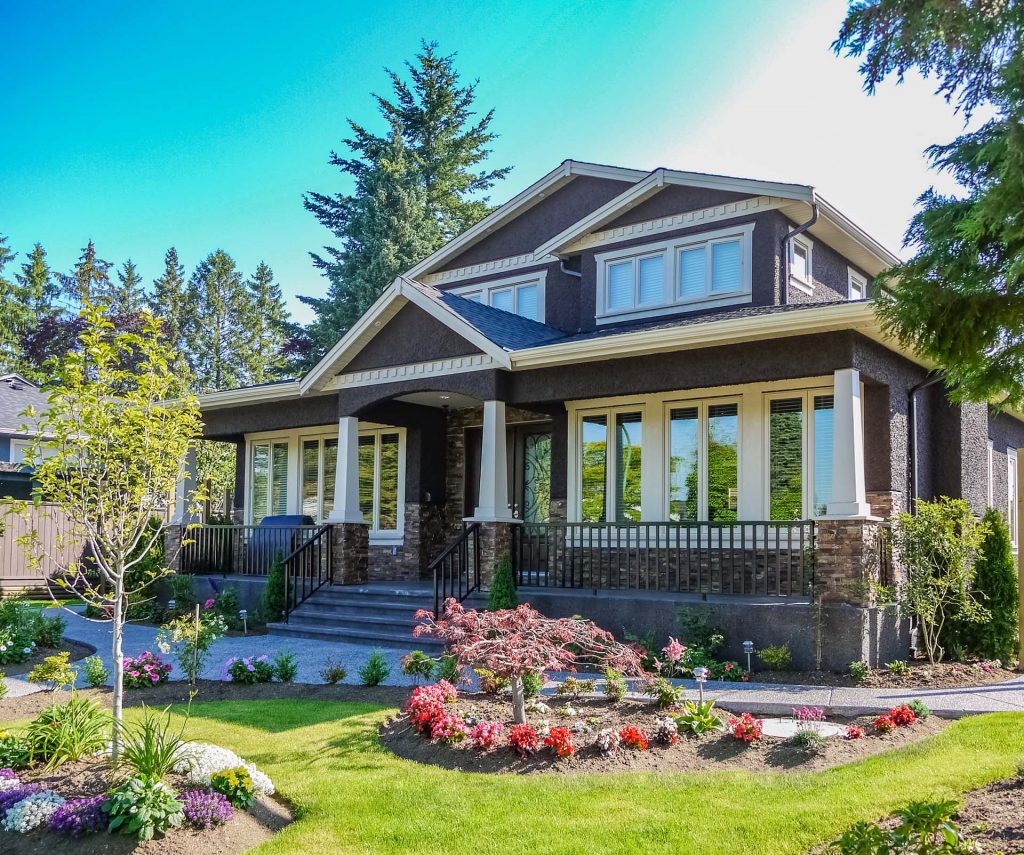
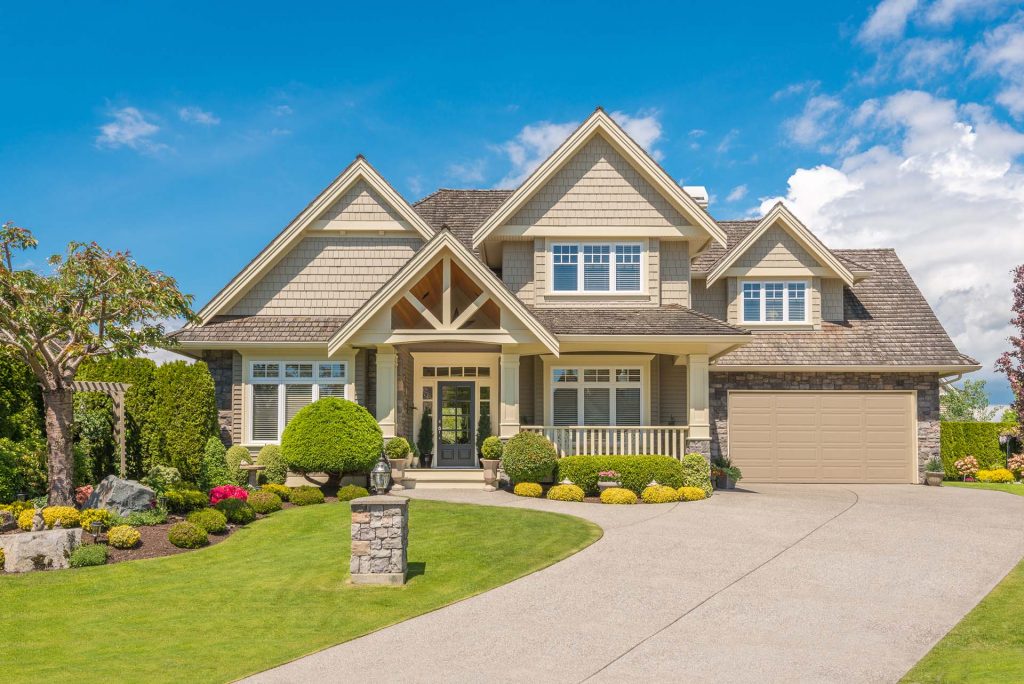
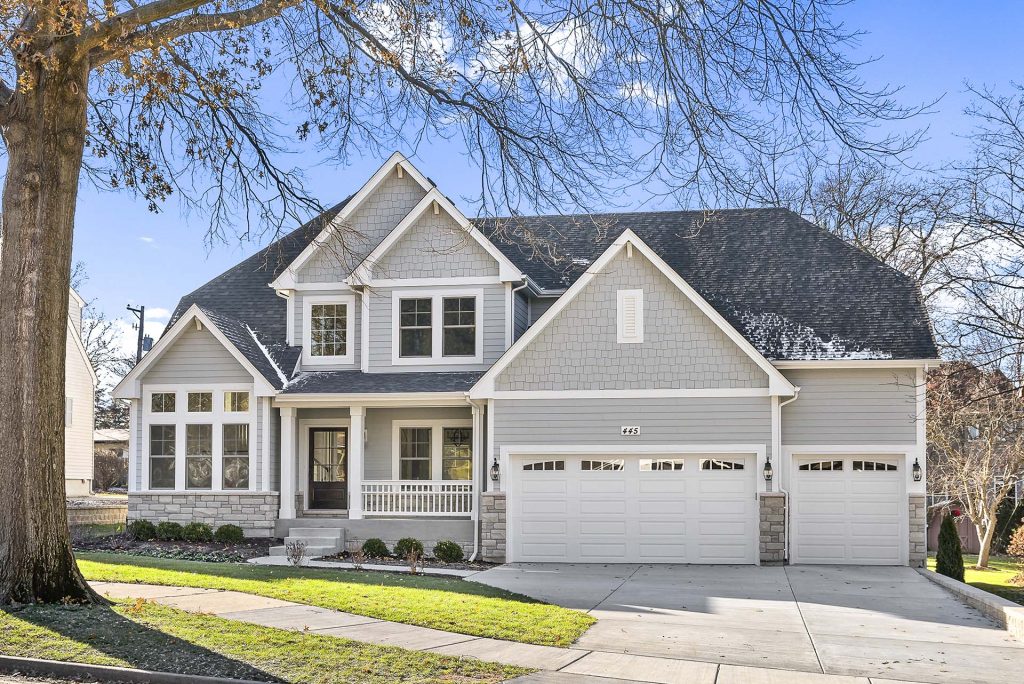
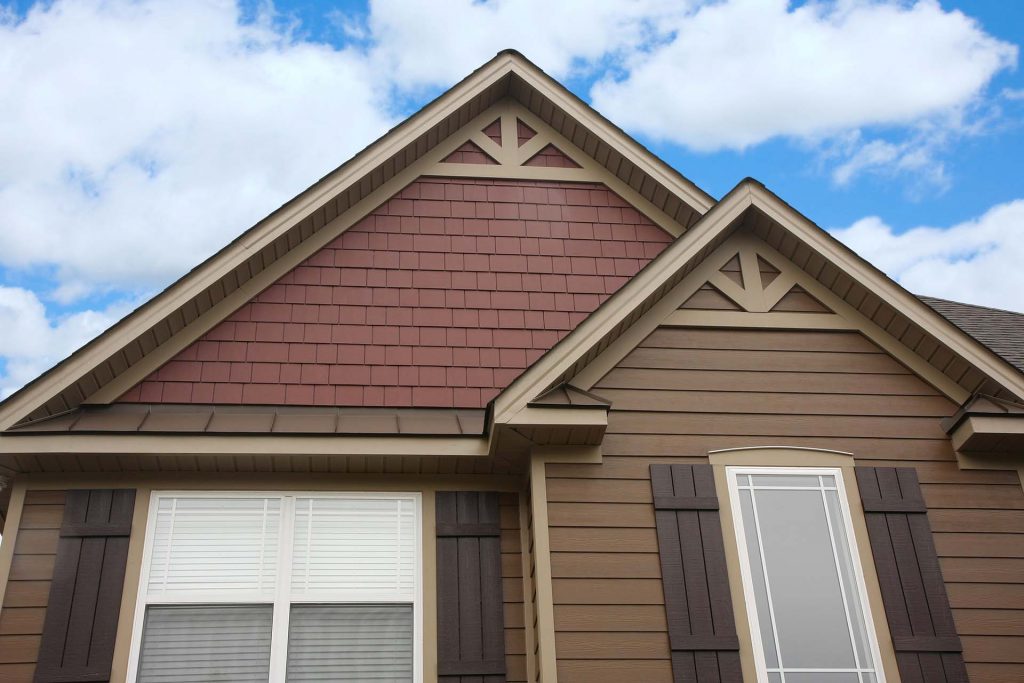
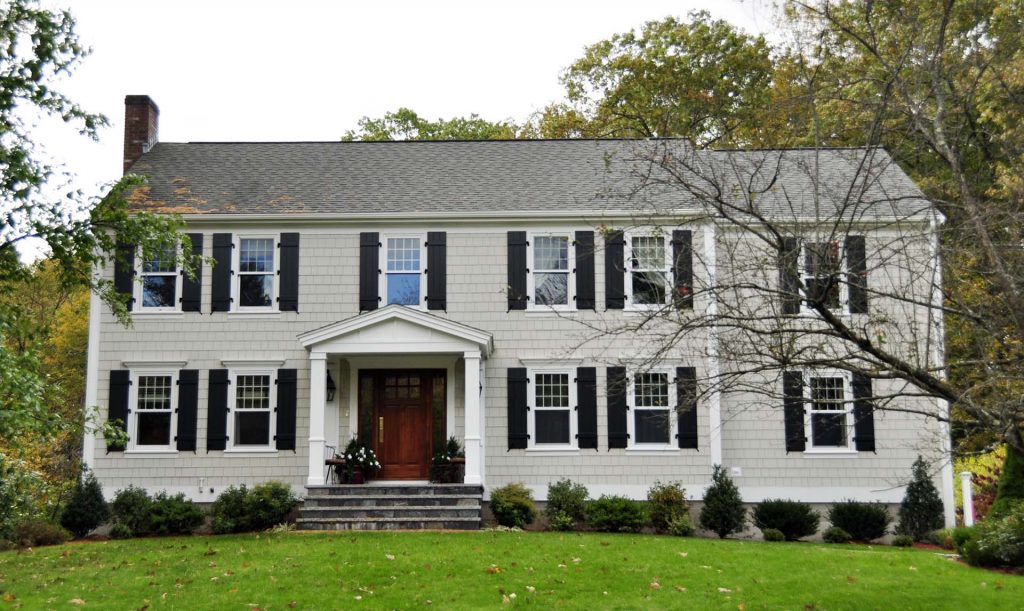
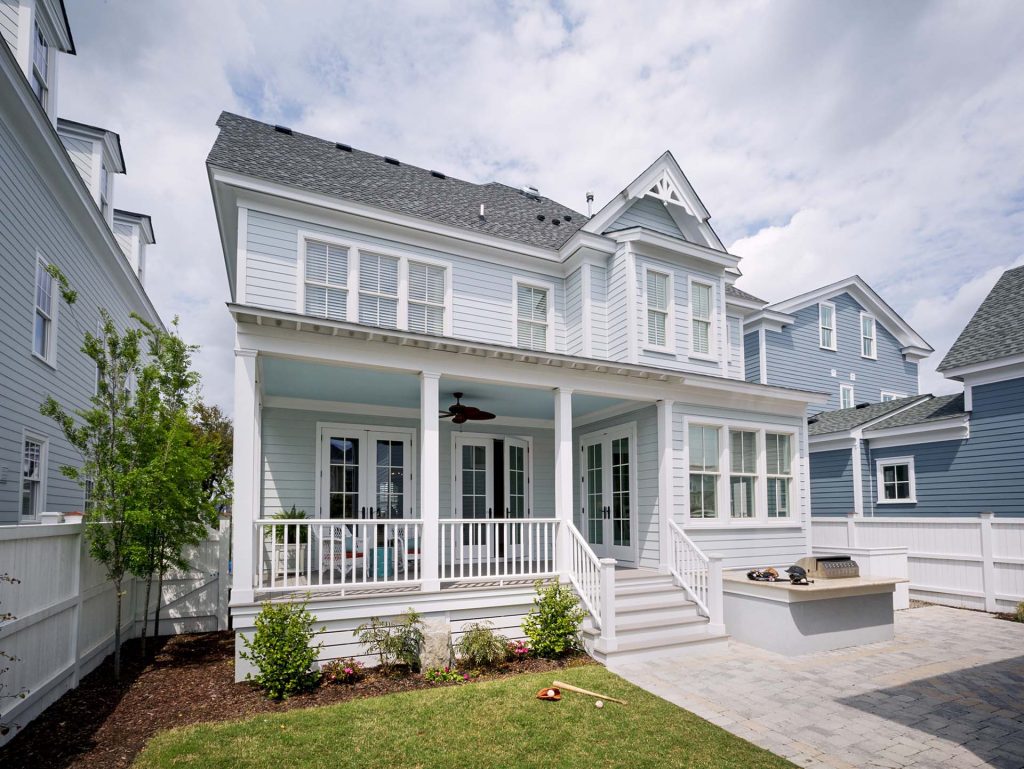
Pitched roofs have a noticeable slope or incline. They are the more traditional roofing style found on many residential homes.
Pitched roof designs vary widely and may include:
- Gable roofs
- Hip roofs
- Gambrel roofs
- Multi-slope roof systems
The steeper angle helps direct water, snow, and debris away from the home more efficiently.
Flat Roof Pros and Cons
Flat roofs offer several unique benefits, but they also require careful planning and maintenance.
Advantages of Flat Roofs
One reason modern flat roof homes continue to grow in popularity is their contemporary appearance.
Additional advantages include:
Easier Exterior Access
Flat roofs are generally easier to access for inspections, maintenance, or equipment installation.
Additional Usable Space
Some homeowners use flat roof areas for outdoor features, rooftop seating areas, or mechanical equipment placement.
Modern Architectural Appeal
Flat roofing systems create a streamlined appearance that complements contemporary home designs.
Disadvantages of Flat Roofs
Although flat roofs offer aesthetic advantages, they also present certain challenges.
Drainage Concerns
Drainage differences flat vs. pitched roof designs are significant. Flat roofs do not shed water as quickly as sloped roofs, making proper drainage systems extremely important.
Increased Maintenance Needs
Maintenance flat roof vs. sloped roof comparisons often show flat roofs requiring more frequent inspections.
Homeowners may need to monitor:
- Drainage systems
- Ponding water
- Membrane wear
- Flashing conditions
- Debris buildup
Routine maintenance helps prevent moisture-related issues.
Advantages of Pitched Roofs
Pitched roofs remain the most common residential roof style for several reasons.
Better Water and Snow Drainage
One of the biggest advantages of pitched roofs is their ability to move water and snow away from the structure quickly. This natural drainage reduces the likelihood of standing water and moisture accumulation.
Improved Longevity
Because water drains more efficiently, pitched roofing systems may experience fewer moisture-related problems over time. This can contribute to longer roofing lifespan and reduced long-term maintenance requirements.
Traditional Curb Appeal
Many homeowners prefer the classic appearance of sloped roofing systems. Traditional rooflines often complement a wide range of home styles and neighborhoods.
More Roofing Material Options
Pitched roofs can accommodate many different roofing materials, including:
- Asphalt shingles
- Metal roofing
- Architectural shingles
- Composite roofing systems
This flexibility allows homeowners to customize appearance and performance.
Flat Roof vs. Pitched Roof Cost
When evaluating flat roof vs. pitched roof cost, homeowners should consider both upfront expenses and long-term maintenance.
Flat Roof Installation Costs
Flat roofs may require fewer materials because of their simpler structure. However, waterproofing systems and specialized membrane materials can affect overall pricing.
Costs may vary depending on:
- Roofing material selection
- Drainage system complexity
- Roof accessibility
- Insulation requirements
Pitched Roof Installation Costs
Pitched roofs may involve higher construction complexity because of framing, angles, and increased material quantities. However, long-term maintenance costs may sometimes be lower because of improved drainage and weather performance.
Energy Efficiency Flat vs. Pitched Roof
Energy efficiency is another important consideration for homeowners comparing roofing systems.
Flat Roof Energy Efficiency
Flat roofs may provide opportunities for reflective roofing materials that help reduce heat absorption during warmer months. Modern flat roof systems can also accommodate additional insulation options that improve indoor temperature control.
Pitched Roof Energy Efficiency
Pitched roofs often create attic space that supports ventilation and airflow. Proper attic ventilation can help regulate indoor temperatures and reduce moisture buildup.
Roofing Styles Comparison Guide: Climate Matters
Climate plays a major role in determining the best roof design for homes.
Flat Roofs in Milder Climates
Flat roofs often perform well in areas with lower snowfall and moderate rainfall.
Pitched Roofs in Severe Weather Areas
In regions that experience:
- Heavy snow
- Frequent rain
- Ice accumulation
- Strong storms
Pitched roofs are often preferred because they shed moisture more effectively.
Which Roof Style Is Better?
There is no one-size-fits-all answer in the flat roofs vs. pitched roofs debate.
Flat roofs may appeal to homeowners who prioritize:
- Modern aesthetics
- Contemporary architecture
- Rooftop functionality
- Clean design lines
Pitched roofs may be better suited for homeowners focused on:
- Weather resistance
- Traditional appearance
- Long-term durability
- Improved drainage
The ideal choice depends on your home design, local climate, maintenance expectations, and budget.
Get Expert Guidance for Your Roofing Project
Whether you are exploring modern flat roof homes or considering a traditional pitched roofing system, Five Star Improvements can help homeowners choose roofing solutions that match their style, performance needs, and long-term goals. Connect with our team today to schedule a consultation and get started on your roofing project.